
Bunion Surgery & Lapiplasty® 3D Bunion Correction®
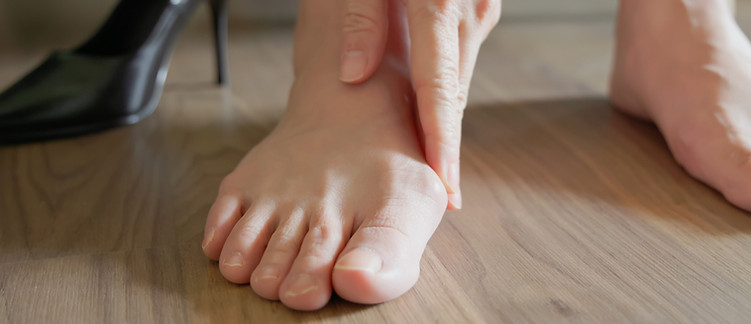
A bunion is a progressive foot deformity that causes a bony bump to develop at the base of the big toe. Although bunions are commonly recognized by this visible bump, the underlying problem involves changes in the alignment of the foot's bones.
Bunions, medically known as hallux valgus, develop when the first metatarsal bone shifts outward, often due to instability in the midfoot. As the deformity progresses, surrounding tendons and ligaments may pull the big toe toward the smaller toes, sometimes causing it to overlap or move beneath the second or third toe. This misalignment can lead to swelling, tenderness, and discomfort around the big toe joint. A smaller bunion, called a bunionette, can also form on the joint of the little toe.
A bunion does not have to be painful to cause additional foot problems. Changes in foot alignment can place excessive pressure on the smaller toes and ball of the foot, potentially contributing to stress fractures, arthritis, ligament injuries, and tendinitis. Because bunions typically worsen over time, early evaluation is important, even when the bunion itself causes little discomfort.
At MK Podiatry, Dr. Michael Krynski evaluates bunion progression, foot structure, and related symptoms to recommend appropriate treatment options. Whether you're experiencing bunion pain, discomfort in the smaller toes, or changes in foot alignment, Dr. Krynski provides individualized care focused on relieving symptoms, improving foot function, and reducing the risk of further complications.
Schedule an appointment with MK Podiatry today to explore your bunion treatment options and take the next step toward healthier, more comfortable feet.
What are the Symptoms of Bunions?
Bunion symptoms vary for each person depending on the severity of the bunion and misalignment of the foot. Common signs and symptoms of bunions and bunionettes include:
-
Visible Bump: A noticeable bony bump along the outside of the foot at the base of the big toe or little toe.
-
Swelling and Redness: Inflammation, tenderness, or skin discoloration around the joint and bulge, particularly after prolonged standing or wearing tight shoes.
-
Thickened Skin: Thickened areas of skin and calluses develop from repeated pressure or friction, especially where the big toe rubs against the second toe. Areas of hardened skin on the bottom of the foot are caused by uneven pressure and changes in weight distribution.
-
Foot and Toe Pain: Persistent or occasional discomfort around the affected joint that may worsen with walking, physical activity, or wearing certain shoes.
-
Limited Toe Movement: Stiffness or reduced flexibility in the big toe joint, which can make walking and other everyday activities uncomfortable.

What Causes & Risk Factors Bunions?
There are many potential causes and risk factors for bunions, but the exact cause is not always evident.
Genetics & Foot Structure
Genetics play a significant role in bunion development. If bunions run in your family, you may have an increased risk of developing them. Inherited foot characteristics, such as flat feet, low arches, or certain structural abnormalities, can affect foot alignment and place additional stress on the big toe joint.
Improper Footwear
Frequently wearing tight, narrow, or high-heeled shoes can increase pressure on the front of the foot and crowd the toes together. While footwear alone does not necessarily cause bunions, poorly fitting shoes can aggravate existing misalignment and contribute to the progression of bunions.
Arthritis and Joint Conditions
Certain types of arthritis, particularly rheumatoid arthritis, can cause inflammation and damage to the joints in your feet. Over time, these changes may affect joint stability and alignment, increasing the likelihood of developing bunions or worsening an existing deformity.
When Should You Seek Treatment for Your Bunions?
Early evaluation by Dr. Krynski of MK Podiatry can help relieve discomfort and address factors that may contribute to worsening bunion symptoms. Although nonsurgical treatments cannot reverse a bunion, they can help reduce pain, improve foot function, and minimize pressure on the affected joint.
You should consider visiting MK Podiatry if you experience:
-
Persistent Foot Pain
-
Changes in Toe Alignment
-
Difficulty Wearing Shoes
-
Limited Toe Movement
What Are the Treatment Options Bunions?
Bunions do not go away on their own. Once the joint has shifted out of alignment, it will not correct itself without intervention. Early treatment at MK Podiatry can help slow progression, manage symptoms effectively, and make everyday activities more comfortable.
Common nonsurgical bunion treatment options MK Podiatry can recommend and offer on include:
-
Supportive Footwear: Wearing properly fitted shoes with a wide toe box, adequate arch support, and low heels can help reduce pressure on the big toe joint.
-
Custom Orthotics: Prescription or custom shoe inserts can provide customized support for your foot structure, which helps improve weight distribution and reduce excessive pressure on the affected joint. Learn more about how Dr. Krynski of MK Podiatry uses custom orthotics to improve foot health
-
Bunion Pads and Taping: Protective bunion pads, taping or toe spacers can cushion the prominent joint and reduce friction caused by footwear.
-
Stretching: Targeted stretching and strengthening exercises may help maintain joint flexibility and improve foot function. Dr. Krynski can recommend appropriate exercises based on your individual needs.
How Can Bunions Cause Second Toe Pain and Other Foot Problems?
Bunions can contribute to second toe hammertoes, pain beneath the second toe, and other forefoot complications, even when the bunion itself is not painful. As the first metatarsal shifts out of alignment, increased pressure on the second toe and ball of the foot can lead to hammertoe deformities, metatarsalgia, ligament tears, and stress fractures.
In some cases, bunion surgery at MK Podiatry may be necessary to address the underlying misalignment contributing to second toe pain and other structural problems.
Lapiplasty® 3D Bunion Correction® Surgery at MK Podiatry
Depending on the severity of your bunion, surgical correction may be recommended for long-term stability and pain relief. Dr. Michael Krynski of MK Podiatry performs Lapiplasty® 3D Bunion Correction® surgery, an advanced surgical procedure designed to address the underlying structural cause of bunions rather than simply removing the visible bump.
Unlike traditional bunion procedures that focus primarily on correcting the deformity in two dimensions, Dr. Krynski chooses and performs Lapiplasty®, as it corrects the alignment of the first metatarsal bone in three dimensions and stabilizes the unstable joint at the base of the metatarsal to help maintain correction.
Lapiplasty® offers patients at MK Podiatry the following benefits including:
-
3D Bunion Correction: Corrects the bunion deformity in three dimensions, addressing the underlying bone misalignment.
-
Joint Stabilization: Secures the unstable joint contributing to bunion development and progression.
-
Potential for Earlier Weight-Bearing: Some patients may begin protected weight-bearing sooner than with certain traditional procedures, depending on their recovery and surgeon's instructions.
-
Long-Term Correction: Clinical studies have reported that 99% of patients maintained their three-dimensional correction at four years.
-
Treatment for Varying Bunion Severity: May be appropriate for mild, moderate, or severe bunion deformities, depending on individual circumstances.
-
Insurance Coverage: Lapiplasty® may be covered by many insurance plans when medically necessary, subject to individual policy requirements.
Why Visit MK Podiatry for Bunions?
When left untreated, bunions can gradually worsen, leading to increased pain, joint stiffness, and difficulty walking or wearing shoes comfortably.
If you are experiencing persistent bunion pain, plan your consultation with MK Podiatry. With his experience in diagnosing and managing a wide range of foot and ankle conditions, Dr. Krynski provides professional care tailored to each patient's needs. He thoroughly evaluates your symptoms through a physical assessment and conversation that outlines your foot structure and determines whether Lapiplasty ® 3D Bunion Correction may be appropriate — which Dr. Krynski performs at MK Podiatry.
Schedule your consultation today at MK Podiatry to take the next step toward relieving bunion pain. MK Podiatry is conveniently located to serve patients throughout Sugar Land and the Greater Houston communities, including Missouri City, Stafford, Richmond, Rosenberg, and southwest Houston.