
Plantar Fasciitis & Heel Pain
Heel pain can make everyday activities painful and uncomfortable. One of the leading causes of heel pain is plantar fasciitis, a common foot condition that affects millions of people worldwide.
Heel pain can make everyday activities painful and uncomfortable. One of the leading causes of heel pain is plantar fasciitis, a common foot condition that affects millions of people worldwide.
Plantar fasciitis causes a sharp, stabbing pain in the heel, particularly when taking your first steps in the morning. The pain may improve as you move around but typically returns after standing for long periods or when you get up from sitting. Additionally, plantar fasciitis causes tenderness and stiffness along the bottom of the foot.
For over 20 years, Dr. Michael Krynski of MK Podiatry has evaluated the underlying cause of heel pain and recommended personalized plantar fasciitis treatment options designed to relieve discomfort, improve mobility, and help you return to your normal activities.
MK Podiatry is conveniently located to serve patients throughout Sugar Land and the Greater Houston communities, including Missouri City, Stafford, Richmond, Rosenberg, and southwest Houston.
What is Plantar Fasciitis?
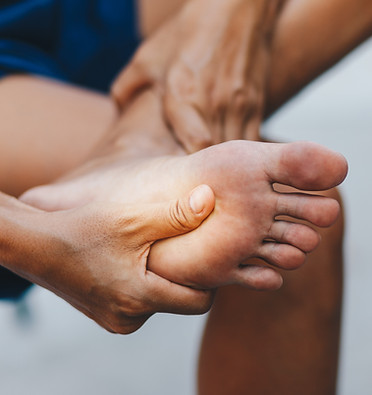
Plantar fasciitis (PLAN-tur fas-e-I-tis) occurs when the thick band of tissue that runs along the bottom of your foot becomes irritated or inflamed. Called the plantar fascia, the thick band of tissue connects your heel bone to your toes and helps support the arch of your foot.
When the plantar fascia becomes overloaded, it becomes inflamed. That inflammation causes heel pain and stiffness along the bottom of the foot, known as plantar fasciitis.
What are the Symptoms of Plantar Fasciitis?
Plantar fasciitis symptoms vary from person to person. For some, discomfort may be mild and occasional, while others may experience persistent pain. These are the most common symptoms of plantar fasciitis:
-
Heel Pain: Pain along the bottom of the foot near the heel may feel like a dull ache or a sharp, stabbing pain. The pain can extend into the arch of the foot.
-
Pain After Rest: Heel pain is often most noticeable when taking the first few steps in the morning or after sitting or resting for an extended period. The discomfort may lessen after several minutes of movement.
-
Pain After Physical Activity: Symptoms may become more noticeable after exercise or prolonged activity rather than during it. Activities that place additional stress on the foot, such as climbing stairs, may also increase discomfort.
-
Heel Tenderness: The bottom of the heel may feel tender or sensitive when pressure is applied to the affected area.
-
Foot Stiffness: Stiffness may occur after waking or following extended periods of inactivity, making it uncomfortable to stand or walk initially.
What Causes Plantar Fasciitis?
When the plantar fascia tissue gets overworked or strained, it loses some of its elasticity or resilience. The constant stretching can lead to chronic degeneration of the tissue and the development of small tears in the fascia fibers, particularly where the fascia connects to the heel bone. Those small tears are repeatedly stretched and tear when you walk and move during the day, and can be made worse by poor fitting, unsupportive shoes. Additionally, in cases where ultrasound evaluations of the heel were done, they revealed calcifications and thickening of the plantar fascia.
What Are the Risk Factors for Plantar Fasciitis?
Although the exact cause of plantar fasciitis is not always identifiable and it can happen for no clear reason, there are several risk factors can commonly contribute to its development:
-
Age: Plantar fasciitis is most common in adults between the ages of 40 and 60.
-
Physical Activity: Activities that place repeated stress on the heels and arches, such as running, dancing, jumping, and high-intensity workouts, can increase your risk of plantar fasciitis. Sports that involve sudden movements or frequent changes in direction, such as basketball, tennis, and pickleball, may also contribute to the condition.
-
Foot Structure: Having flat feet, high arches, or an irregular walking pattern can affect how your weight is distributed across your feet. This may place additional strain on the plantar fascia and increase your risk of heel pain.
-
Improper Footwear: Wearing shoes that lack proper arch support or cushioning can put extra stress on your feet. Worn-out shoes or footwear that is not designed for your specific activity may also contribute to plantar fasciitis.
-
Extra Weight: Carrying extra body weight places additional pressure on your heels and the bottom of your feet.
-
Work and Daily Habits: Jobs that require prolonged standing or walking, particularly on hard surfaces, can increase the risk of plantar fasciitis. Extended periods of sitting can also contribute to foot stiffness and make existing plantar fasciitis symptoms more noticeable when you begin walking again.
What is the Treatment for Plantar Fasciitis?
Some cases of plantar fasciitis can be successfully managed with nonsurgical treatments. Depending on the severity, treatment may include rest, applying ice, stretching exercises, and avoiding activities that place excessive stress on your feet.
When you visit Dr. Michael Krynski of MK Podiatry, he will evaluate and recommend the treatment options best suited to help relieve your heel pain and restore mobility. Additional plantar fasciitis treatment options Dr. Krynski may recommend include:
-
Night Splints
-
Physical Therapy
-
Walking Boots or Assistive Devices
-
Regenerative medicine, or stem cell injections
What Are Other Causes of Heel Pain?
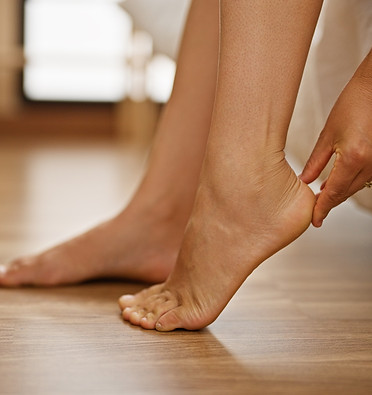
Although plantar fasciitis is one of the most common causes of heel pain, several other foot and ankle conditions can cause similar symptoms.
-
Achilles tendinitis is the inflammation or irritation of the Achilles tendon, which connects the calf muscles to the heel bone. It typically affects the back of the heel rather than the bottom and can cause pain, stiffness, and tenderness along the back of the heel.
-
Heel spurs are bony growths that develop on the heel bone. Although heel spurs do not always cause symptoms, they can sometimes contribute to heel discomfort and can develop alongside plantar fasciitis.
-
Calcium deposits near the Achilles tendon may also be associated with heel pain and irritation.
-
Stress fractures are tiny cracks in a bone, caused by repeated stress or movements. They cause pain that tends to worsen with activity and ease with rest. Learn more about ankle fractures and how MK Podiatry can assist.
-
Bursitis, an inflammation of the small fluid-filled sacs that cushion the heel, can cause swelling and tenderness that is typically constant throughout the day. Heel bursitis commonly affects the back of the heel, particularly where footwear creates pressure or friction.
Identifying the underlying cause of your heel pain is essential for developing an effective treatment plan and improving long-term foot health. Schedule your appointment with MK Podiatry today for diagnosis on the cause of your heel pain.
Why Visit MK Podiatry for Heel Pain?
When left untreated, plantar fasciitis can lead to chronic heel pain that may need to be treated with surgery. Not only will pain continue to make daily activities difficult, but it may also force you to change the way you walk to avoid pain. That in turn can cause other problems to develop in your feet, knees, hip or back.
If you are experiencing persistent heel pain or suspect you may have plantar fasciitis, schedule an appointment with Dr. Michael Krynski at MK Podiatry. With his experience in diagnosing and treating a wide range of foot and ankle conditions, Dr. Krynski provides professional, compassionate care tailored to each patient's individual needs. He thoroughly evaluates your symptoms, identifies the underlying cause of your discomfort, and develops a treatment plan.
At MK Podiatry, patients can expect attentive, individualized care in an environment where their long-term foot health is a priority. Schedule an appointment with MK Podiatry today and take the first step toward lasting relief and better foot health.